ISLAND GUIDE
South Ari Marine Protected Area (SAMPA): A Visitor’s Guide to the Maldives’ Whale Shark Zone
SAMPA is the Maldives’ best-known whale shark area, and it comes with rules every visitor should know. Here is what it protects, how to visit responsibly, other protected areas worth seeing, and where to stay on Dhigurah and nearby islands.
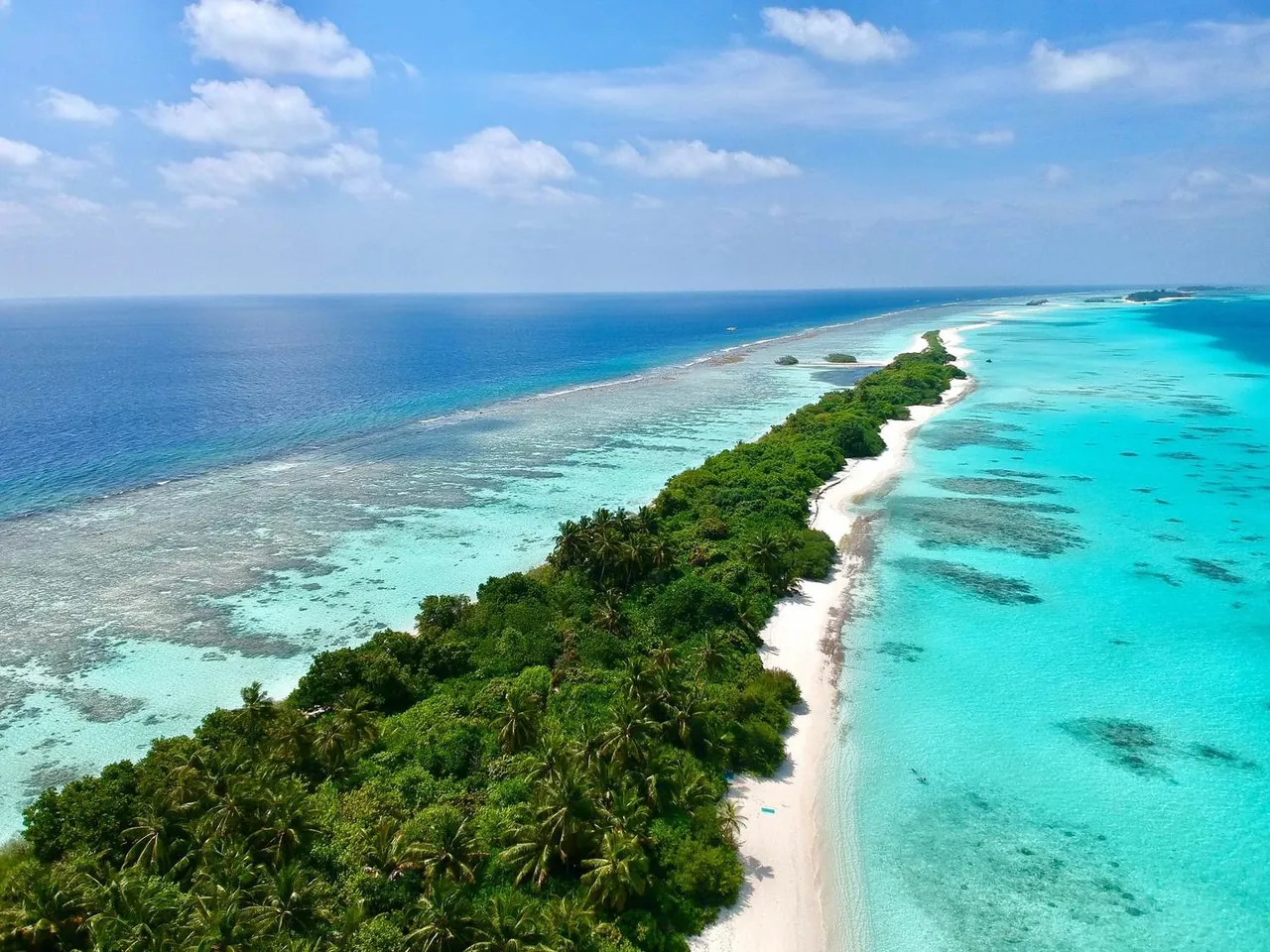
Ask anyone where to swim with whale sharks in the Maldives and the answer is almost always the same: South Ari Atoll. The reason is a stretch of ocean called the South Ari Marine Protected Area, or SAMPA, where whale sharks are seen through the year. It is also an area with rules, and those rules shape how you can visit. This guide explains what SAMPA is, how to enjoy it responsibly, which other protected areas are worth knowing, and where to stay nearby.
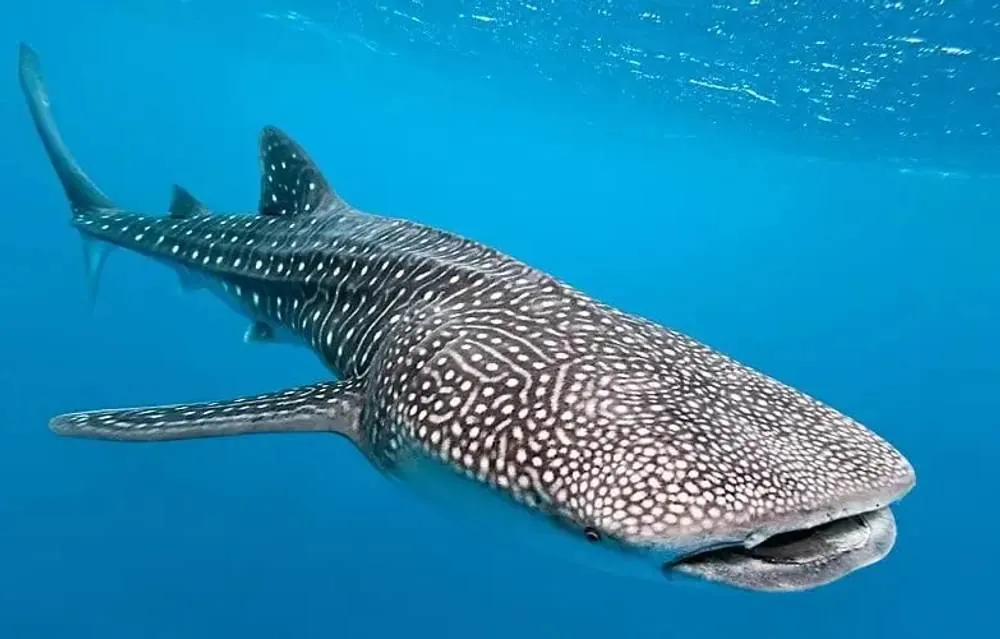
What is SAMPA?
SAMPA is the Maldives’ largest marine protected area. It follows the outer reef along the southern edge of South Ari Atoll, running from around Rangali in the west to Dhigurah in the east, and it was declared in June 2009 to protect the whale shark gathering that forms here. A management plan came into force in 2019 and has been amended since, most recently with new rules for boats.
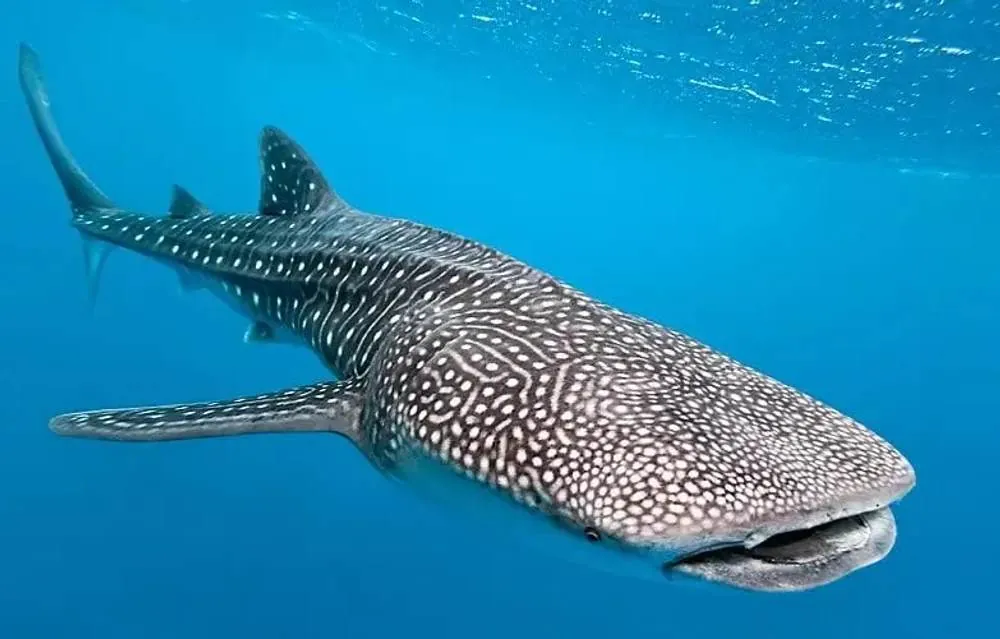
The area is a feeding ground. Its reefs and currents bring plankton to the surface, and that is what draws the whale sharks. Researchers from the Maldives Whale Shark Research Programme describe the sharks seen here as mostly young males, and many return to the same area again and again. Individual sharks are identified from the pattern of spots behind the gills, and the programme had identified nearly 400 individuals in the wider southern Ari area by 2023.
What you can see
Whale sharks are the headline, and the government describes them as the area’s most significant feature, present all year. Reef manta rays are also listed as an important species, and there are turtles, several kinds of shark and a healthy reef with many types of coral. Because the sharks live here rather than passing through, you do not need to plan your dates around a whale shark season. Sightings are never guaranteed on any trip, so give yourself more than one day if seeing a whale shark matters to you.
The rules every visitor should know
SAMPA is not an open-access reef. The government’s protected areas page lists snorkelling and diving inside designated areas by booking, in time slots of 30 minutes, and your operator handles this for you. The area has its own list of things that are not allowed, including:
- anchoring, and removing rocks, sand, coral or coral rubble
- dumping rubbish or littering, and discharging pollutants
- feeding birds or marine life
- touching or abusing protected species
- lighting up the area at night, and noise that disturbs wildlife
The rules for boats have tightened in the last two years. The Environmental Protection Agency opened vessel registration for SAMPA in February 2025, whale shark tour boats must be fitted with propeller guards, and an amendment to the management plan requires vessels in the whale shark contact zone to display a flag. The Ministry of Tourism and Environment has also announced that only guides with SAMPA certification may take visitors into the area, and reports say motorised water sports such as jet skis are not allowed inside it. Rangers patrol the area to enforce all of this.
In practice, this means you should book through a licensed local operator or your guest house, choose one that uses registered boats and certified guides, and be ready to wait your turn in the water. A trip that follows the rules is better for the whale sharks and usually a calmer experience for you.
Other protected areas worth knowing
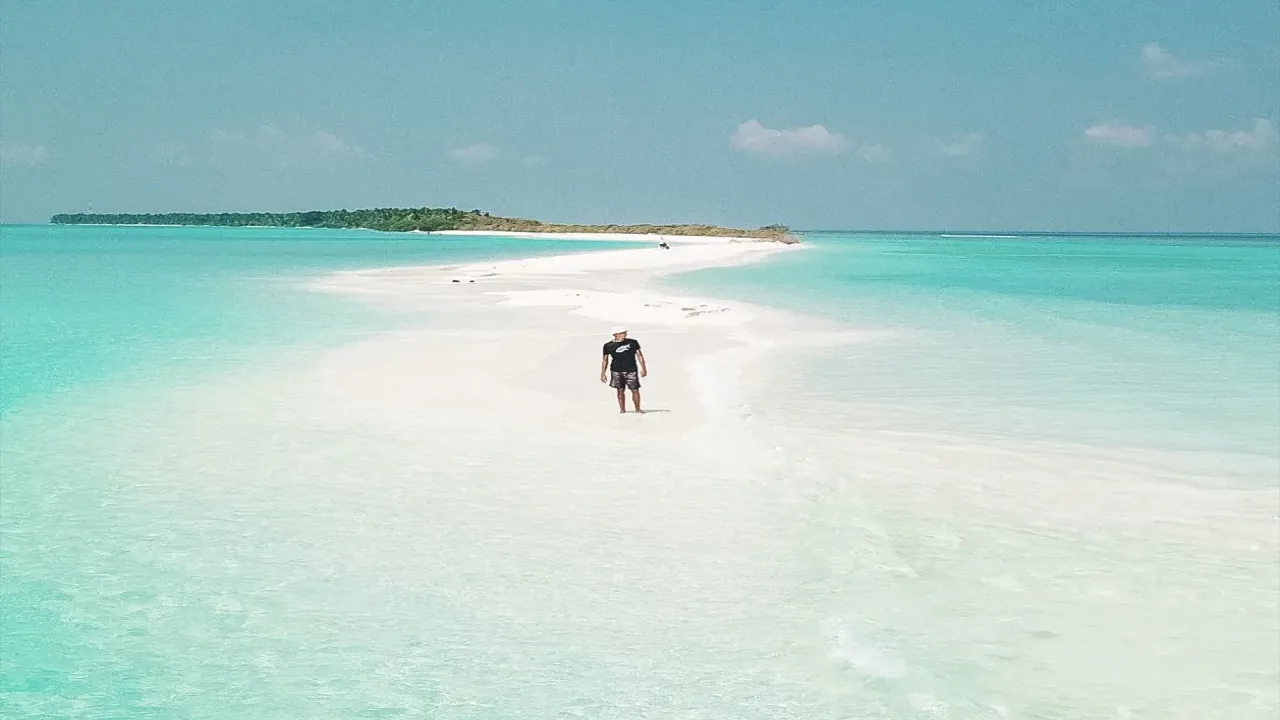
SAMPA is one of dozens of protected areas across the country. The government’s register lists more than 90, from reefs and sandbanks to mangroves, a shipwreck and a UNESCO biosphere reserve. Each has its own rules, and some can be booked through the register itself. These are the ones that fit best with a trip to Ari Atoll and Baa Atoll.
A channel reef protected since 1999, in the same part of South Ari as SAMPA and popular with divers for its strong currents and marine life.
A small submerged reef protected since 1995. Dive operators describe it as a manta ray cleaning station, so it is one to ask about if mantas are on your list.
A natural area in the Rasdhoo part of North Ari, protected under two national categories and recognised internationally as an Ecologically and Biologically Significant Marine Area. It is close to Thoddoo and Rasdhoo.
A long submerged reef whose shallowest point is about 5 metres below the surface, which makes it a good site for divers and confident snorkellers.
A marine protected area since June 2009 and a core zone of the Baa Atoll UNESCO Biosphere Reserve. It is famous for manta rays feeding in the bay, and visits are managed with limits on boats and swimmers.
A wreck lying about 33 metres below the surface between Maradhoo and Hithadhoo, protected as a historic and dive site in the far south.
The register also lists several protected reef regions in Baa Atoll, including Angafaru, Bathalaa and Nelivaru, which is described as a gathering site for manta rays. You can browse every area, with its location and rules, on the government’s protected areas website, and filter it to see which areas can be booked.
Where to stay near SAMPA
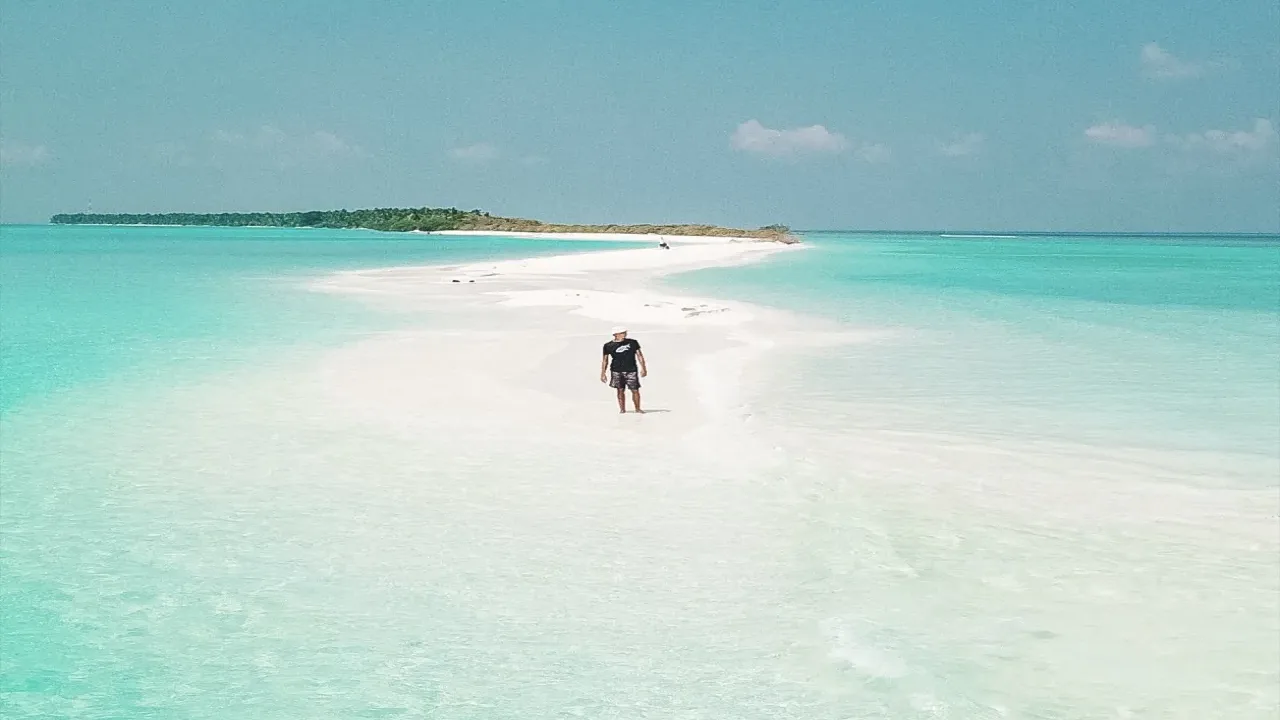
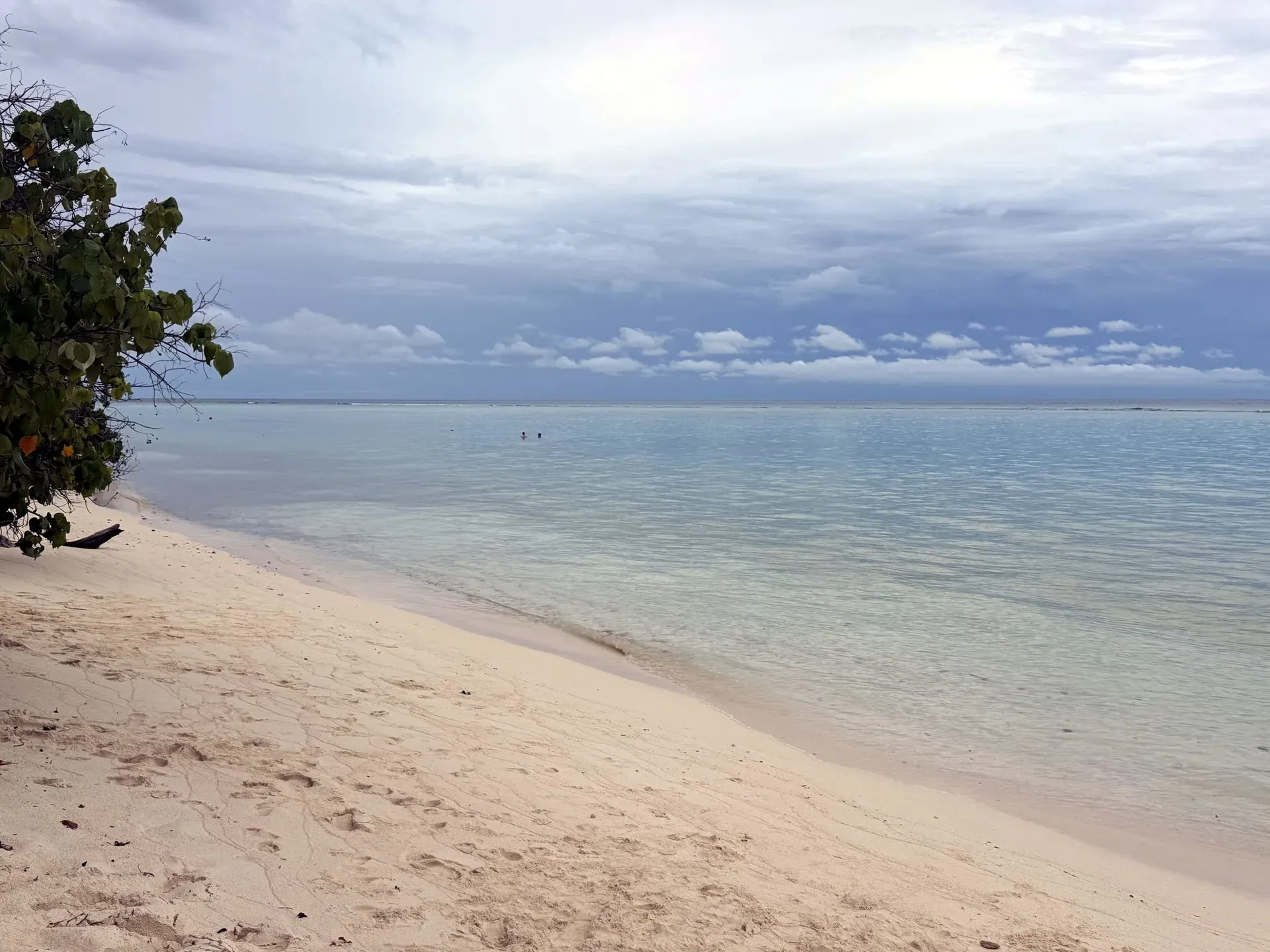
Dhigurah sits at the eastern end of SAMPA, so a boat from the island reaches the whale shark area without a long journey, and most visitors who come here for the sharks choose to stay on the island itself. Dhigurah is a quiet local island with a long white beach, small guest houses and dive centres, and a short walk takes you from your room to the sea. The island has a designated tourist beach, and visitors are asked to respect local customs elsewhere. Here are the places we offer in the South Ari area:
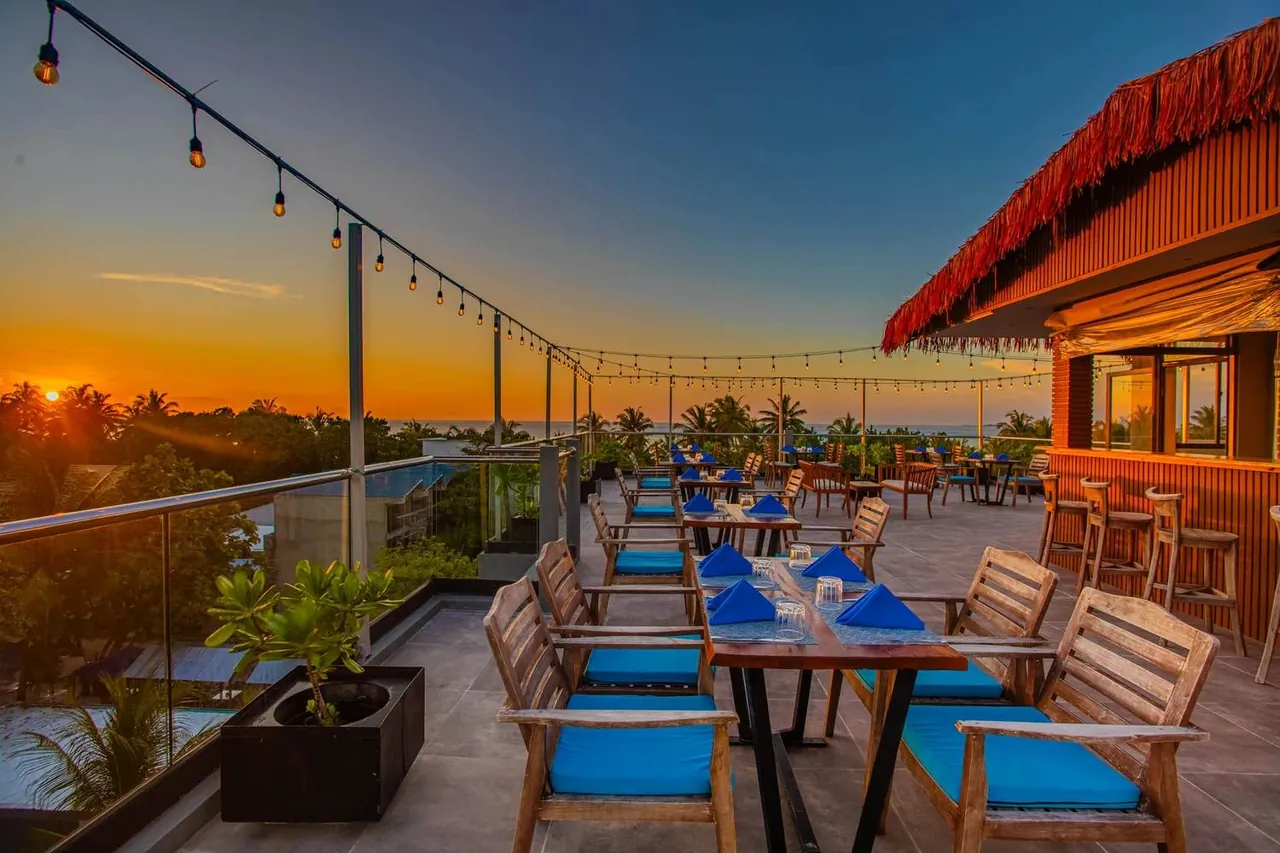 Whaleshark Beach, DhigurahA new 23-room guesthouse with balconies, a rooftop restaurant and a dive centre on whale shark island.View the stay →
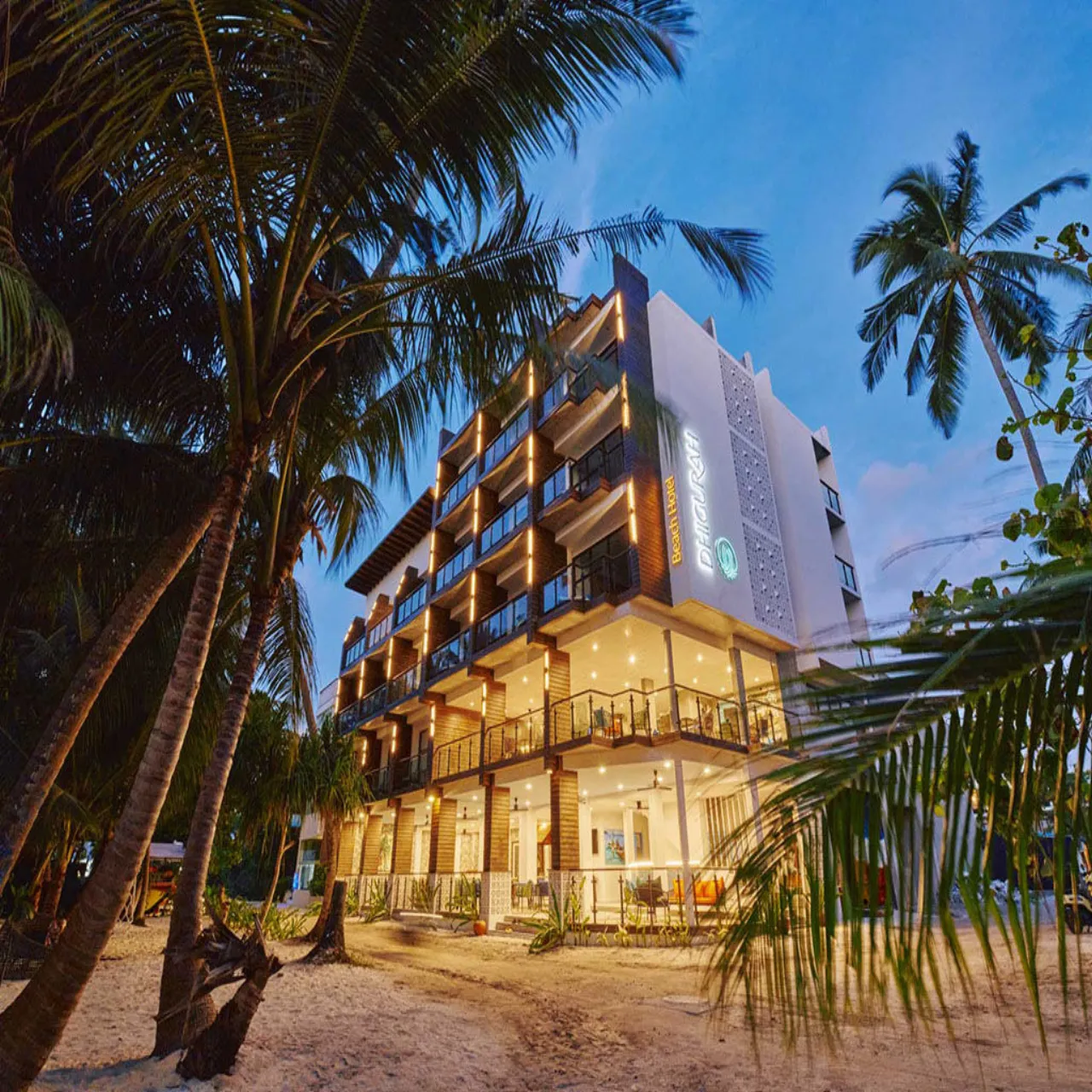 Beach Hotel DhigurahA 30-room hotel beside the island’s tourist beach, in whale shark country.View the stay →Whale Shark Escape, DhigurahFive nights on Dhigurah, half board, with shared speedboat transfers and guided whale shark, manta and sandbank snorkelling days. From USD 830 per person. Sightings are never guaranteed.See the package →
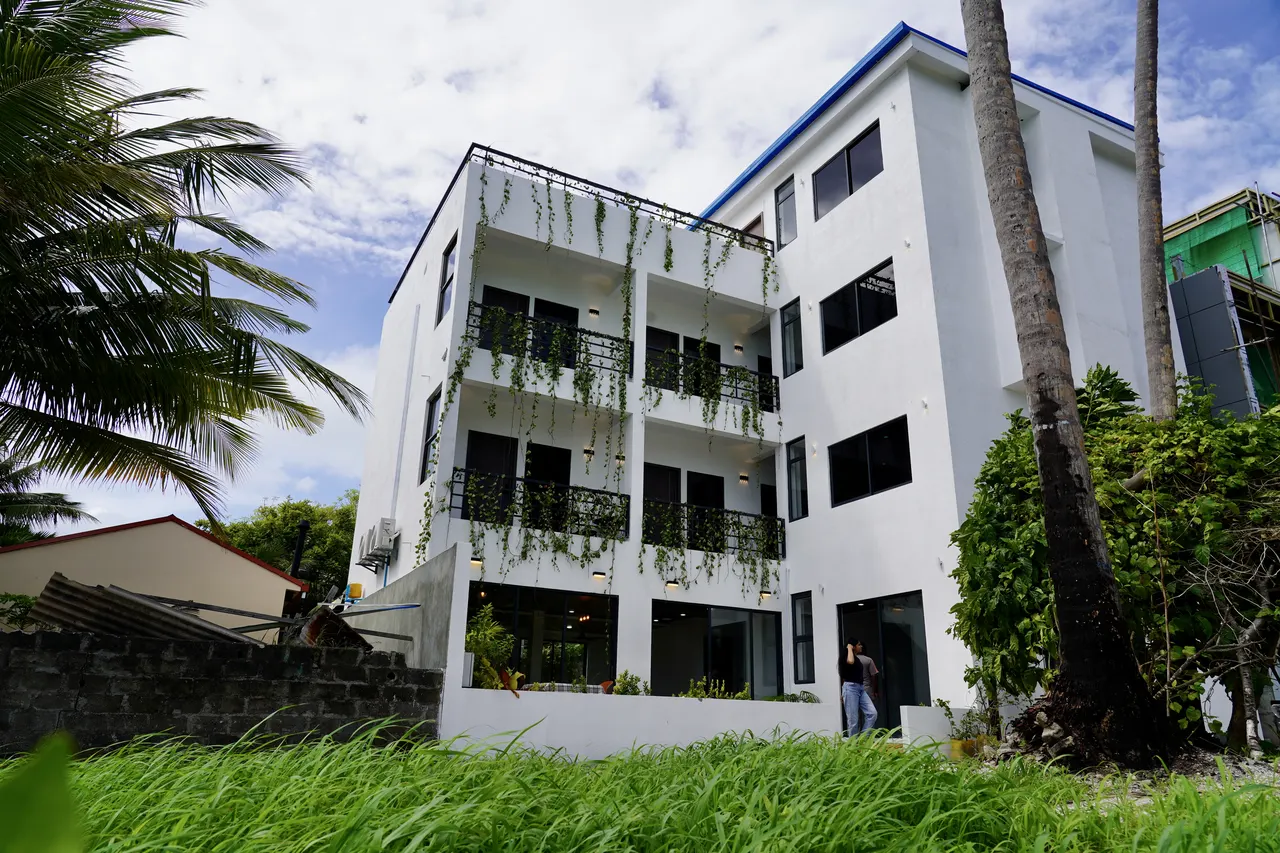 Cozy Art, DhangethiA boutique island hotel on Dhangethi, close to the whale shark and manta dive sites. Also available as a seven-night package.View the stay →
Nearby Omadhoo also has small guest houses close to South Ari’s whale shark and manta sites, including Nemo Inn, Scuba Inn, Kirulhiya Maldives Hotel, Turtle Maldives and Noomuraka Inn. If you prefer a resort, Fiyavalhu Resort Maldives on Mandhoo is a halal resort in South Ari, and our South Ari guest house list shows every stay we offer in the atoll. Our Dhigurah island guide has more on the island, and if you are still choosing between islands, read Dhigurah or Maafushi?
Plan your visit
Tell us your dates, who is travelling and how important whale sharks are to your trip, and we will recommend a stay, book your transfers and arrange the excursions with licensed operators. We can also add manta ray trips, a sandbank lunch or a longer island-hopping route through Ari Atoll.
Plan my whale shark trip See the Dhigurah package Stays on Dhigurah
Sources
- South Ari Marine Protected Area (SAMPA), Maldives Protected Areas, Ministry of Tourism and Environment
- Protected areas register, Maldives Protected Areas
- New amendment strengthens SAMPA conservation rules, MMTV, 2 May 2025
- New regulation requires propeller guards on whale shark tour boats, MV+, 2 February 2025
- EPA opens portal for marine vessel registration for SAMPA, MV+
- Only certified guides allowed in SAMPA, PSM News
- Motorised water sports banned in SAMPA, Hotelier Maldives
- Southern Ari Atoll, Important Shark and Ray Areas
- Hanifaru Bay factsheet, Convention on Migratory Species
- Protected areas list, Environmental Protection Agency
- Q&A with the Maldives Whale Shark Research Programme, Visit Maldives