NEWS
World Tourism Day 2026: How AI and the Digital Agenda Are Redesigning Tourism
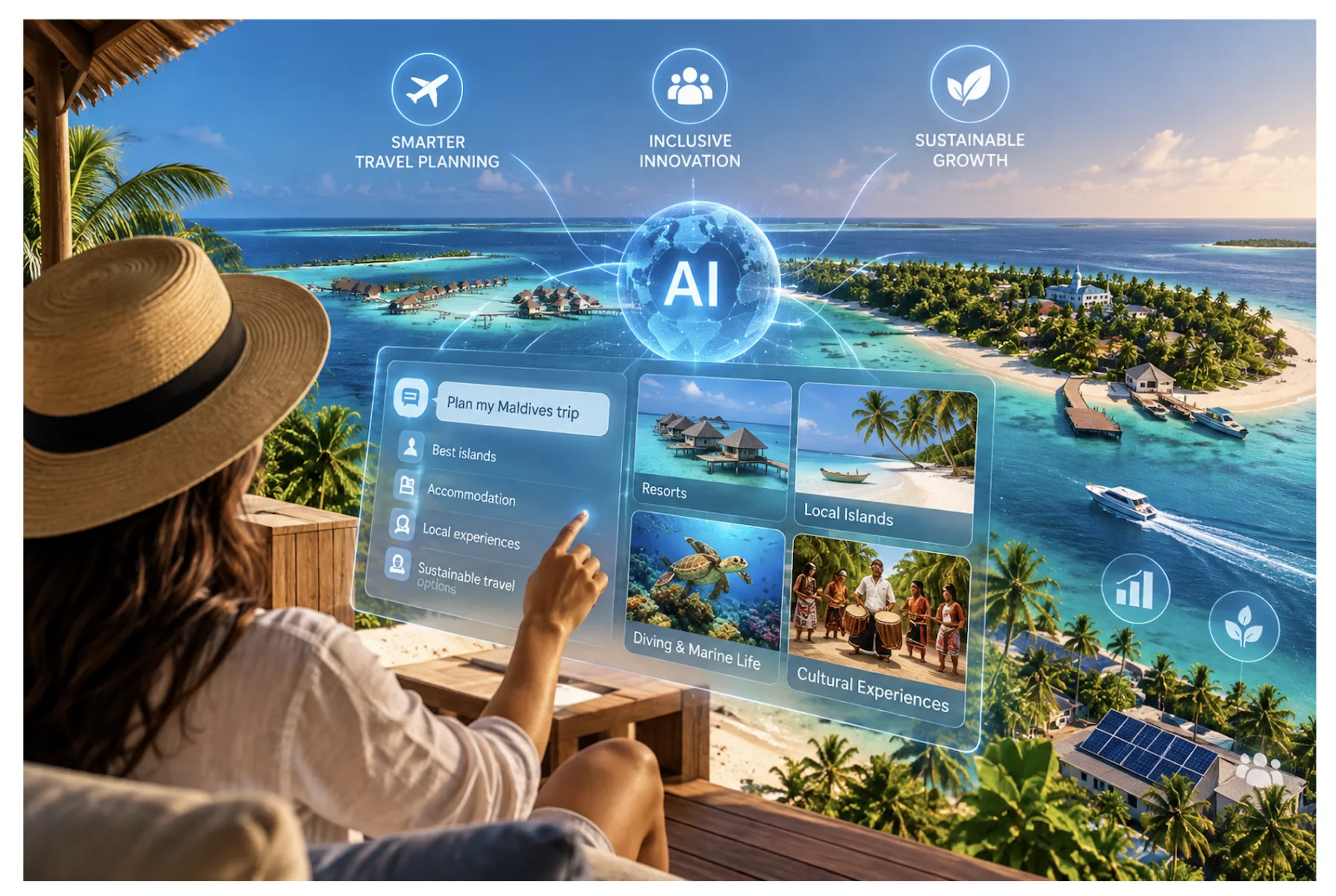
World Tourism Day 2026: How AI and the Digital Agenda Are Redesigning Tourism
Every journey begins with an idea.
For decades, travellers discovered destinations through travel magazines, brochures, recommendations from friends and conversations with travel agents. Then came search engines, social media and online booking platforms.
Today, another major shift is underway.
Travellers can simply ask artificial intelligence:
“Where should I stay in the Maldives?”
“Which island has the best house reef?”
“Plan me a seven-day Maldives honeymoon within my budget.”
“Should I choose a resort or a local island?”
Within seconds, AI can compare destinations, suggest itineraries, explain transfer options and help travellers narrow down hundreds of possibilities.
That transformation sits at the heart of World Tourism Day 2026, celebrated on 27 September under the theme:
“Digital Agenda and Artificial Intelligence to Redesign Tourism”
The theme reflects one of the biggest changes currently taking place across global tourism.
UN Tourism says artificial intelligence has the potential to create smarter, more inclusive and sustainable tourism by improving decision-making, developing skills and changing how destinations are experienced and managed.
But perhaps the more important question is not simply what AI can do for tourism.
It is who will benefit from it?
From Searching for Holidays to Asking AI
The traditional online travel journey is changing.
A traveller once searched Google for “best Maldives resorts”, opened ten different websites, checked reviews, compared prices and eventually contacted a hotel or travel agency.
Increasingly, travellers can begin that process with a conversation with an AI assistant.
Artificial intelligence can help travellers compare destinations, build itineraries, translate information, identify suitable accommodation and understand complicated travel logistics.
For destinations such as the Maldives, where hundreds of resorts, guesthouses, local islands and experiences compete for international attention, this creates an enormous opportunity.
But it also creates a challenge.
The United Nations Secretary-General António Guterres highlighted this concern in his World Tourism Day 2026 message: while AI can strengthen small businesses and create opportunities, poorly managed digital transformation could also direct travellers towards the same destinations and platforms while leaving other worthwhile places behind.
That issue matters greatly for island destinations.
What Does This Mean for Maldives Tourism?
The Maldives is one of the world's most recognisable tourism destinations.
But the Maldives tourism experience is much larger than the famous image of an overwater villa.
Across the country there are resort islands, inhabited islands, guesthouses, dive centres, surf operators, fishing communities, excursion providers, restaurants, cafés and hundreds of small tourism businesses.
Digital technology gives these businesses an opportunity that would have been almost impossible a generation ago.
A small guesthouse on a local island can now potentially reach a traveller thousands of kilometres away.
A dive centre can showcase its house reef internationally.
A local excursion operator can receive enquiries directly from travellers.
And a Maldivian travel agency can work with clients and travel partners across Europe, Asia and the Middle East without needing offices in those markets.
AI could accelerate that transformation even further.
1. Smarter and More Personalised Travel Planning
There is no single “perfect Maldives holiday.”
A honeymoon couple looking for complete privacy has very different requirements from a family travelling with children.
A diver may prioritise marine life.
A budget traveller may prefer a local island.
Another traveller may want an ultra-luxury private island, while someone else might prefer three nights on a local island followed by two nights in a water villa.
AI can help understand those differences and process enormous amounts of information quickly.
But technology should assist the traveller — not remove the human understanding behind travel.
2. Giving Local Islands Greater Visibility
One of the most exciting possibilities of digital tourism is greater visibility for smaller destinations.
Many travellers know the Maldives.
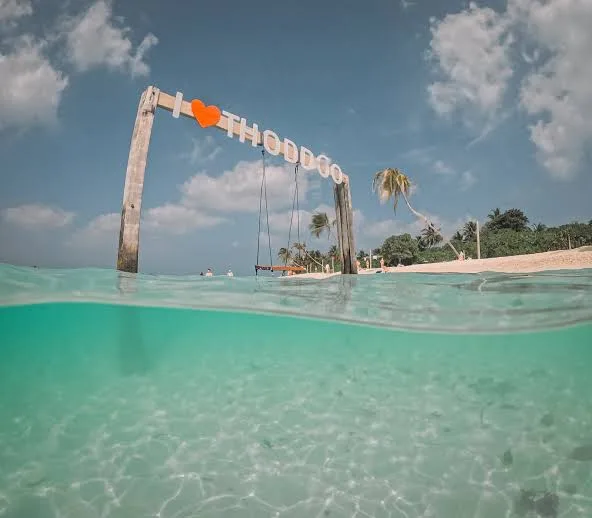
Far fewer know the individual character of islands such as Dhigurah, Maafushi, Thulusdhoo, Himmafushi and dozens of other inhabited islands.
Digital platforms can help change that.
A small tourism business no longer necessarily needs the marketing budget of an international hotel group to tell its story internationally.
Good websites, accurate information, quality photography, digital booking systems, structured destination information and responsible use of AI can help smaller businesses become discoverable.
For the Maldives, that could help spread tourism expenditure beyond a limited number of internationally recognised properties.
3. Helping Small Tourism Businesses Compete
Digital transformation should not belong only to large hotel groups and global booking platforms.
This is one of the most important ideas behind World Tourism Day 2026.
Technology can help a small guesthouse automate enquiries, help a tour operator communicate in multiple languages, assist a travel agency in preparing personalised itineraries and allow businesses to analyse demand more effectively.
For a small tourism business, these efficiencies matter.
The challenge will be ensuring that smaller operators have access to the technology, knowledge and digital skills necessary to participate.
As the UN Secretary-General's World Tourism Day message emphasises, tourism workers, local communities and emerging destinations need to participate in shaping this digital future.
4. AI Can Support More Sustainable Tourism
Technology also has a role beyond marketing and reservations.
Tourism destinations can potentially use better data and intelligent systems to understand visitor patterns, manage resources and make better-informed decisions.
This becomes particularly important for environmentally sensitive destinations.
In the Maldives, tourism ultimately depends on the health of our oceans, coral reefs, beaches and island ecosystems.
Technology should therefore help tourism protect the very environment travellers come here to experience.
Sustainable tourism cannot simply mean attracting more visitors.
It must also mean making better decisions about where visitors travel, how resources are consumed and how tourism benefits local communities.
But AI Cannot Replace the Human Side of Travel
Artificial intelligence can recommend an island.
It cannot watch the sunset for you.
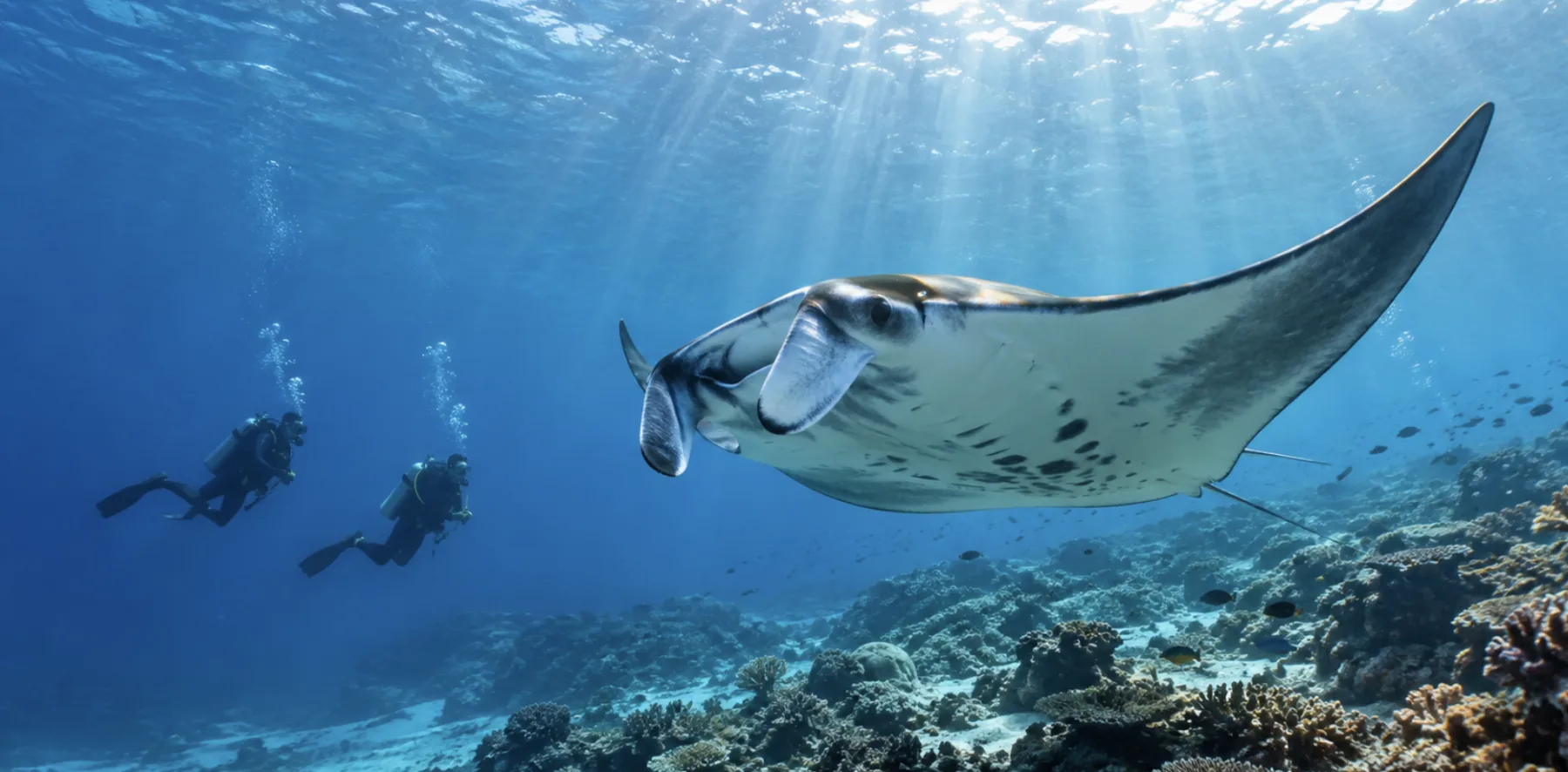
It can describe swimming alongside a whale shark, but it cannot experience the moment.
It can calculate the fastest speedboat transfer, but it does not understand the feeling of stepping onto a Maldivian island for the first time.
And while AI can generate an itinerary within seconds, experienced local people still understand details that may not appear clearly in a database — sea conditions, transfer realities, local culture, seasonal differences and which experience genuinely suits a particular traveller.
The future of tourism therefore should not become AI versus people.
It should become people empowered by better technology.
The Opportunity for Maldives Tourism
World Tourism Day 2026 should encourage the Maldives to think beyond simply digitising reservations.
The bigger opportunity is to build a tourism ecosystem where technology helps travellers discover more of the Maldives while allowing more Maldivian businesses and communities to participate in the tourism economy.
Imagine a traveller asking:
“Show me a quiet Maldivian island with a beautiful beach, excellent diving, locally owned accommodation and easy access from Malé.”
The answer should not automatically favour whichever company has the largest advertising budget.
A genuinely intelligent tourism ecosystem should be capable of discovering the small guesthouse, the independent dive centre, the local guide and the island community that genuinely matches that traveller.
That is where inclusive digital tourism becomes powerful.
Our Perspective at Atolliva Maldives
At Atolliva Maldives, we believe technology should make travel easier without making it less personal.
We are a new Maldivian travel company entering the industry at a fascinating moment.
AI, digital platforms and modern travel technology give companies like ours opportunities that previous generations of travel businesses did not have.
But our greatest advantage remains something technology cannot manufacture:
local knowledge.
Knowing the islands.
Understanding the resorts.
Working with local tourism businesses.
Listening to what a traveller actually wants.
And being here in the Maldives when they arrive.
Our approach is therefore simple:
Use technology to work smarter.
Use local knowledge to travel better.
Keep people at the heart of tourism.
Redesigning Tourism — Together
World Tourism Day 2026 is not simply a celebration of artificial intelligence.
It is an invitation to decide how we want technology to shape tourism.
If digital transformation is inclusive, it can give smaller businesses a global voice.
If it is responsible, it can help destinations manage tourism more sustainably.
If it remains human-centred, it can make travel easier while preserving the cultural connections and personal experiences that make travelling worthwhile.
For the Maldives, this presents an extraordinary opportunity.
We can use technology not simply to bring more people to our islands, but to help travellers discover more of the Maldives, support more local businesses and experience our country more meaningfully.
The future of tourism will undoubtedly be digital.
But its heart should always remain human.
Happy World Tourism Day 2026 from Atolliva Maldives.
Your Maldives, thoughtfully planned.